
 by
by Who deserves to be called the Godfather of Cricket? Ask this in any cricket forum, and you’ll start a war.
Bradman supporters will quote his 99.94 average like it’s scripture. Sachin fans will talk about carrying a billion hopes for 24 years.
Dhoni loyalists will simply point to trophy cabinets and say “Captain Cool” with quiet confidence.
This isn’t just another “who’s the best” argument. The Godfather title carries emotional weight that pure statistics can’t capture.
It’s about someone who didn’t just play cricket brilliantly—they shaped it, protected it, and handed it down to the next generation better than they found it.
The fascinating part? There’s no official answer. No cricket board has declared a Godfather. No committee votes on it. No trophy sits in a museum with one name engraved forever.
Instead, this title lives in our hearts, our memories, and those heated debates with friends that somehow always circle back to cricket.
It’s personal. It’s passionate. And it’s why cricket fans across generations can never quite agree on who truly owns this heavyweight crown.
Godfather of Cricket
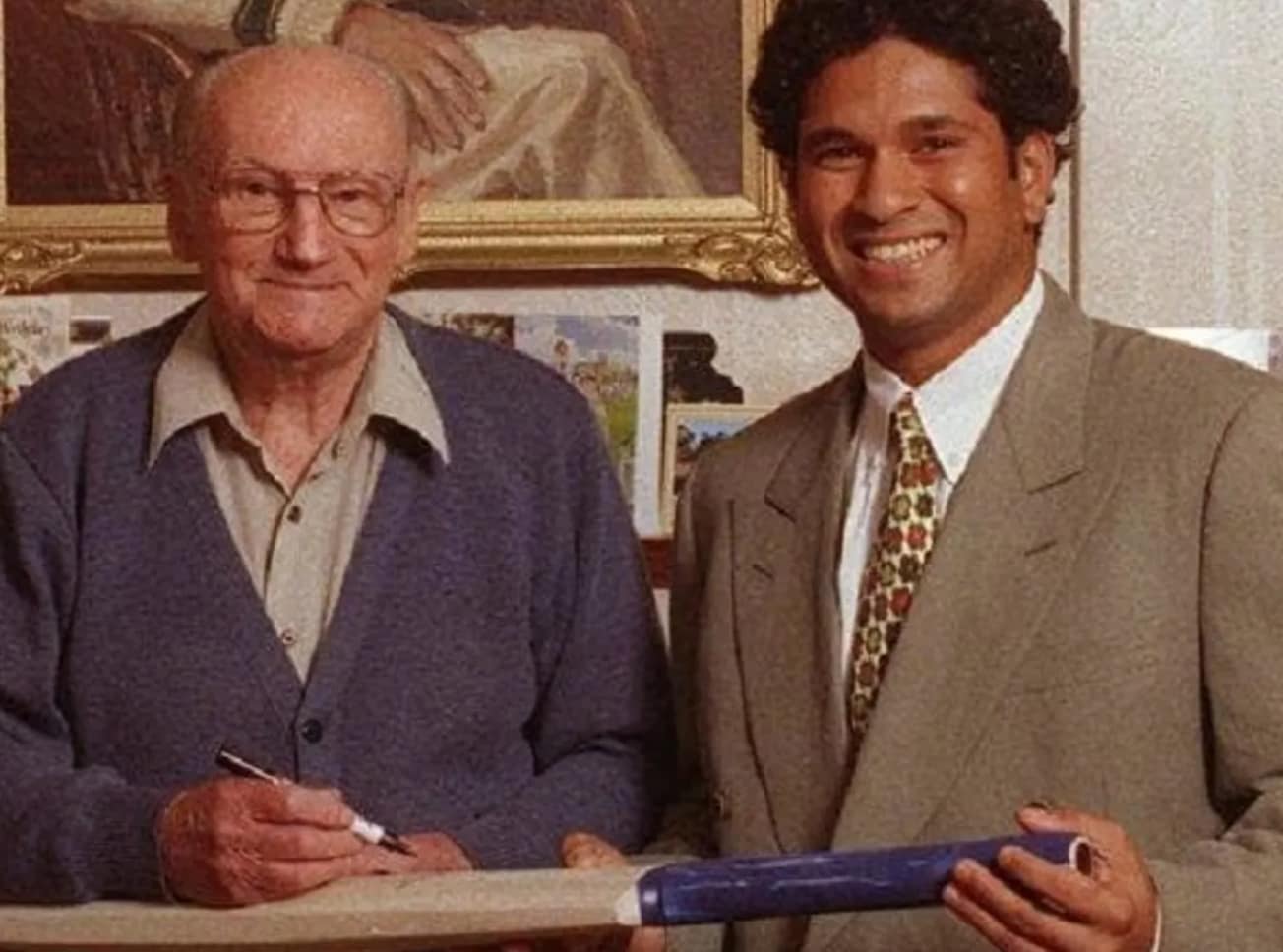
Let’s explore why this debate will rage forever—and why that’s actually beautiful.
Why Does the Term “Godfather of Cricket” Even Exist?
Unlike the Wisden Cricketer of the Year or ICC Player awards, nobody invented the Godfather of Cricket title officially.
It emerged organically from fans’ love and respect for players who transcended ordinary greatness.
The term started in living rooms, tea stalls, and cricket grounds where passionate supporters discussed not just who played well, but who changed cricket’s very soul.
It spread through word of mouth, generation to generation, becoming shorthand for “the player who made cricket matter beyond boundaries.”
What Makes Someone a Godfather?
It’s not just about scoring runs or taking wickets. Plenty of players have brilliant statistics but don’t carry this title. The Godfather represents something deeper:
- Cultural impact that goes beyond cricket
- Inspiration that creates future champions
- Moments that define entire eras
- Character that makes them role models
- Legacy that outlasts their playing career
- Love from fans that borders on worship
When we call someone the Godfather of Cricket, we’re saying they didn’t just participate in cricket history—they authored it. They made the game bigger than themselves and left it richer for having played.
That’s why the debate matters. We’re not arguing statistics; we’re defending memories, emotions, and the players who gave us reasons to love cricket in the first place.
The Early Masters Who Started It All
Cricket’s story begins in the 1800s with figures who established what cricket could be. Before television made stars global, these pioneers showed that cricket could produce heroes who captured imaginations.
- W.G. Grace: Cricket’s Original Icon
William Gilbert Grace wasn’t just a cricketer—he was cricket itself during the late 1800s. With his distinctive massive beard and towering presence, W.G. Grace became sport’s first true celebrity.
He made cricket popular beyond elite circles. People who’d never cared about cricket suddenly bought tickets just to watch Grace bat. He brought crowds, media attention, and public excitement that transformed cricket from a gentleman’s pastime into mass entertainment.
Grace’s batting techniques influenced generations. His competitive fire showed cricket could be both gentlemanly and fiercely contested. He proved that one man’s charisma and skill could carry an entire sport forward.
- Kumar Shri Ranjitsinhji: The Elegant Pioneer
Ranji broke barriers before anyone talked about breaking barriers. As the first Indian cricketer to achieve international stardom playing for England in the 1890s, he faced prejudice with grace and responded with genius.
His batting style introduced techniques that seemed almost magical—leg glances and wrist work that left bowlers confused and spectators mesmerized. More importantly, Ranji showed young Indians that cricket wasn’t just an English game—it belonged to anyone with talent and determination.
These early giants laid foundations. They proved cricket could create figures larger than life, inspiring millions through their achievements and character.
Bradman vs. Sobers: The Eternal Debate
When cricket historians discuss the Godfather of Cricket, two mid-20th-century names dominate: Don Bradman and Garfield Sobers. Their rivalry isn’t personal (they respected each other deeply) but philosophical—what defines ultimate greatness?
The Tale of Two Legends
| Aspect | Don Bradman | Garfield Sobers |
|---|---|---|
| Era | 1928-1948 | 1954-1974 |
| Tests Played | 52 | 93 |
| Batting Average | 99.94 | 57.78 |
| Centuries | 29 | 26 |
| Wickets | 2 | 235 |
| Bowling Styles | Occasional | Pace + spin |
| Defining Trait | Untouchable batting | Complete cricketer |
| Impact | Redefined possible | Showed versatility |
- Don Bradman’s Case:
Bradman’s 99.94 Test average isn’t just a statistic—it’s an anomaly in sports history. To understand its absurdity, consider that the second-best Test average ever hovers around 60. Bradman wasn’t 10% better than his peers; he existed in an entirely different dimension.
England invented Bodyline bowling—targeting batsmen’s bodies rather than stumps—specifically to stop Bradman. When opponents have to bend cricket’s spirit just to contain you, you’ve transcended normal greatness.
Playing during the Great Depression and World War II, Bradman gave Australians joy when everything else seemed dark. Watching him bat became an act of hope, pride, and escape. That’s Godfather-level impact.
- Garfield Sobers’ Case:
If Bradman represented perfection in one aspect, Sobers represented mastery in everything. He could bat like a genius, bowl fast, bowl spin, and field brilliantly. Cricket’s ultimate all-rounder.
Sobers captained with intelligence and grace. He scored runs when needed, took wickets when required, and made cricket look beautiful. He proved greatness wasn’t one-dimensional—it could be complete, versatile, elegant.
- The Reflection:
Bradman gave cricket perfection—a standard so high nobody will likely ever reach it again. Sobers gave cricket completeness—showing that mastery could span all aspects of the game.
Who deserves the Godfather title more? Depends entirely on what you value: untouchable dominance or beautiful versatility. That’s why this debate never ends—both answers feel right.
India’s Contenders for the Title
For Indian cricket fans, the Godfather of Cricket debate gets intensely emotional. Three names stand above others, each representing a different chapter in Indian cricket’s transformation from underdogs to world beaters.
- Kapil Dev: The Man Who Made India Believe
June 25, 1983. Lord’s Cricket Ground. India defeats mighty West Indies to win the Cricket World Cup. Before that day, India was cricket’s underdog—talented but never quite a winner. After that day, everything changed.
Kapil Dev wasn’t just the captain of that team; he was its soul. His impossible 175 against Zimbabwe (after India collapsed to 17/5) saved the campaign. His fearless captaincy inspired teammates to dream bigger. His all-round brilliance—fast bowling combined with big-hitting—made him India’s first modern cricket hero.
That World Cup victory transformed cricket in India. Suddenly, the sport mattered in ways it never had before. Kids started dreaming of cricket careers. Stadiums filled. Money flowed. Kapil didn’t just win a trophy—he changed a nation’s sporting destiny.
- Sachin Tendulkar: The God Among Men
If any cricketer comes closest to universally accepted Godfather status, it’s Sachin Ramesh Tendulkar. For 24 years—from a 16-year-old boy facing Pakistan’s fearsome pace attack to a 40-year-old retiring as cricket’s most decorated batsman—Sachin carried Indian cricket on his small shoulders.
One hundred international centuries. 34,000+ international runs. Records that might stand forever. But numbers alone don’t explain Sachin’s impact.
He was hope personified. When Sachin walked to the bat, a billion people stopped whatever they were doing to watch. Offices became quiet. Streets emptied. Prayers started. When he got out cheaply, national disappointment settled like fog.
Sachin handled pressure that would crush ordinary humans with humility and grace. He never courted controversy, never said the wrong thing, never showed arrogance despite being worshipped. He gave fans joy, pride, and memories that will last a lifetime.
For millions, especially in India, Sachin is THE Godfather—the one who represented everything beautiful about cricket and never let us down when it mattered most.
- MS Dhoni: The Modern Godfather
If anyone embodies today’s version of the Godfather of Cricket, it’s Mahendra Singh Dhoni. His trophy cabinet tells one story: World Cup wins in all three formats, multiple IPL championships, Test series victories abroad. But Dhoni’s Godfather credentials come from something deeper.
He changed how cricket captains lead. No panic. No visible emotion. Just calm decision-making under crushing pressure. When millions watched, expecting miracles, Dhoni delivered with ice running through his veins.
His helicopter shot became iconic. His wicketkeeping was lightning-quick. His captaincy decisions often defied conventional wisdom but somehow worked. Dhoni made the impossible look routine.
Beyond trophies and technique, Dhoni inspired a generation to stay calm under pressure, trust instincts over panic, and lead without arrogance. That’s textbook Godfather behavior—shaping not just results but how future players approach cricket itself.
- The Emotional Truth:
Kapil showed India could win. Sachin showed India could dominate. Dhoni showed India could lead. Each deserves Godfather status for giving Indian cricket something it desperately needed at exactly the right moment.
Game Changers Beyond the Field
Sometimes, cricket’s Godfathers don’t actually play the game. They revolutionize how it’s played, watched, and valued from outside the boundary ropes.
- Kerry Packer: The Revolutionary Businessman
Kerry Packer, an Australian television tycoon, changed cricket forever in the late 1970s through World Series Cricket. He wasn’t a cricketer, but his influence matches any player’s impact.
Packer’s Revolutionary Changes:
- Colored clothing – Made cricket visually exciting instead of just traditional whites
- Day-night matches – Brought cricket under floodlights for working crowds
- Better player payments – Ensured cricketers earned fairly for their talents
- Aggressive marketing – Positioned cricket as thrilling entertainment
- Television focus – Made cricket TV-friendly with cameras, replays, commentary
The cricket establishment initially fought Packer tooth and nail. Traditional administrators saw him as threatening cricket’s purity.
But Packer wasn’t destroying cricket—he was saving it from irrelevance in the television age.
His innovations became cricket’s new normal. Today’s IPL, Big Bash, every T20 league—they all trace their DNA back to Packer’s vision.
Without him, cricket might still be a slow, poorly-paid sport struggling for relevance against football and other modern entertainment.
Packer proved Godfathers don’t need to hold bats or balls. Sometimes they hold vision, courage, and determination to drag tradition into the future, whether tradition likes it or not.
The Modern Era: Kohli, Babar, and Future Icons
The 21st century continues producing contenders for cricket’s ultimate title. These modern stars are building legacies that could earn Godfather status once their careers end and emotions settle.
The Next Generation of Legends
| Player | Country | Runs | Average | Centuries | Captaincy | Defining Trait |
|---|---|---|---|---|---|---|
| Virat Kohli | India | 26,000+ | 53+ | 80+ | Former captain | Intensity & consistency |
| Babar Azam | Pakistan | 13,000+ | 55+ | 30+ | Current captain | Elegant technique |
| Steve Smith | Australia | 19,000+ | 56+ | 45+ | Former captain | Unconventional genius |
| Kane Williamson | New Zealand | 18,000+ | 54+ | 40+ | Former captain | Grace under pressure |
| Ben Stokes | England | 12,000+ | 44+ | 16+ | Current captain | Match-winner |
- Virat Kohli’s Building Legacy:
Kohli brought fitness standards that revolutionized Indian cricket. His run-scoring consistency across formats is legendary. His passion for winning changed team culture. His aggressive captaincy made India fearless abroad.
Whether Kohli becomes a Godfather depends on his legacy after retirement. He has statistics, trophies, and impact. What he needs is time—for emotions to settle and perspective to emerge.
- Babar Azam’s Rising Star:
Pakistan’s captain carries hopes with elegance reminiscent of Sachin. His technique is textbook perfect. His temperament under pressure impresses. His consistency gives Pakistan belief.
Babar’s journey is just beginning, but the potential for Godfather status exists if he continues leading Pakistan to glory while maintaining grace and class.
- Why They’re Not Godfathers Yet:
The Godfather title requires career completion and legacy assessment. Current players are too close; we can’t fully judge their impact until we see cricket without them. Only then do we understand what they truly meant.
These modern stars might become Godfathers for their generation. But that determination happens after retirement, not during careers.
Why the Debate Will Never End?
Here’s the beautiful truth: The Godfather of Cricket debate can never be definitively settled because it’s not really about cricket—it’s about us.
- Every Generation Claims Its Own:
Your grandfather insists on Bradman because he watched him give hope during dark times. Your father says Sachin because he grew up with Tendulkar carrying India’s dreams. You argue for Dhoni because his calmness defined your cricket-watching years. Your children will discover their own Godfather among tomorrow’s stars.
- Geography Shapes Perspective:
Indians see Sachin or Dhoni. Australians lean toward Bradman. West Indians remember Sobers. Pakistanis might eventually claim Babar. Each cricket nation has its own candidate because the Godfather represents their cricket identity.
- Values Matter More Than Numbers:
Some fans prioritize statistics—making Bradman untouchable. Others value cultural impact—making Sachin inevitable. Some emphasize leadership—making Dhoni obvious. Different values produce different answers, all equally valid.
The Debate’s Real Purpose:
These arguments aren’t really about determining one correct answer. They’re about celebrating cricket’s rich history, honoring multiple legends, and expressing our personal connections to the game.
When we debate who’s the Godfather, we’re really saying “this player made me love cricket” and defending that emotional truth against other equally valid emotional truths.
That’s why the debate never ends. It’s not meant to. The debate IS the point—keeping cricket’s greatest legends alive in conversation, memory, and hearts across generations.
Final Thoughts: Cricket’s Real Power Lies in Its Heroes
The Godfather of Cricket will always be whoever inspired you personally to love this beautiful game.
Maybe it’s Bradman’s impossible average that showed human potential’s upper limits. Maybe it’s Sachin’s 24-year journey that defined your youth. Maybe it’s Dhoni’s calm that taught you grace under pressure.
Every era produces someone special—a player who transcends statistics and becomes part of cricket’s soul.
These figures give us more than entertainment; they give us inspiration, joy, pride, and reasons to believe in excellence.
The debate will never be settled. Your Godfather isn’t my Godfather. Your father’s Godfather isn’t your son’s Godfather.
And that’s perfectly fine because cricket has room for multiple legends, multiple heroes, multiple Godfathers.
What matters isn’t winning the argument. What matters is that cricket continues producing figures worthy of this debate—players who make us care deeply, argue passionately, and fall in love with cricket all over again.
The Godfather of Cricket will always be whoever inspires the next generation to pick up a bat, dream impossible dreams, and discover that cricket isn’t just a sport, it’s a love story between players and fans that spans generations, crosses borders, and never quite ends.
And maybe that’s cricket’s greatest magic: not that we agree on one Godfather, but that we have so many incredible candidates we can’t choose just one.