
 by
by You’ve got five days, ₹50,000, and one question that keeps coming back: Corbett or Ranthambore?
Both are iconic. Both are doable in November. And both will give you photographs you’ll actually be proud of — but not in the same way.
Ranthambore is where you go when you want a tiger frame that stops the scroll.
Corbett is where you go when you want a frame that tells a story. If that distinction already means something to you, you’re halfway to your answer.
Compare Corbett and Ranthambore For a 5 Day Wildlife Photography Trip in November on a 50k Budget
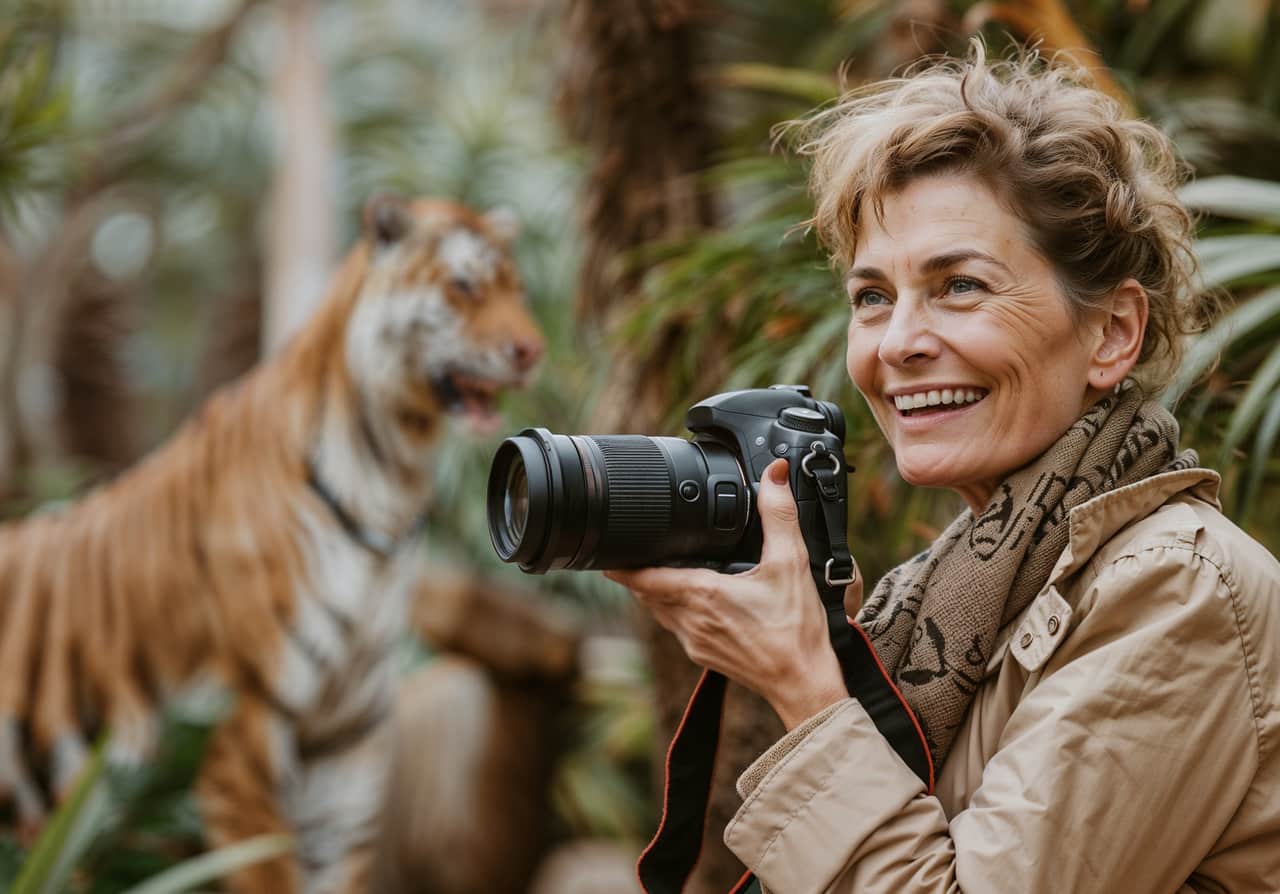
This guide breaks down both parks practically — safari costs, sighting odds, itinerary structure, and what your camera bag is likely to come home with — so you can stop comparing and start planning.
The Fundamental Difference Nobody Talks About Enough
Most comparisons pit these two parks against each other as if one is simply “better.” That framing misses the point.
Ranthambore’s terrain is open, dry, and relatively sparse. That makes wildlife visible.
When a tiger walks through the scrub or pauses near Rajbagh Lake, you have a clear sightline. No obstructions, no guesswork. The shots are clean and dramatic.
Corbett is denser — forest canopy, river corridors, grassland pockets, layered backgrounds.
You might wait longer for a sighting, but when you get one, there’s depth to the composition.
Mist over the Ramganga river at dawn, an elephant family crossing a clearing, a pair of otters in the shallows.
These are not the “hero” shots. They’re the ones that age well.
Your photography style should decide this, not park rankings.
What November Actually Gives You in Each Park?
November is a strong month for both destinations, and the timing works in your favour.
Parks re-open in October after the monsoon closure, so November means fresh greenery, active wildlife, and comfortable temperatures — usually between 10°C and 25°C.
Animals are moving more because it’s not peak heat. Migratory birds are arriving. The light is softer than summer.
- In Ranthambore: Tiger sighting probability runs high in November — zones like T-1, T-4, and T-5 see consistent activity. The landscape looks its best after the rains, with lakes full and the old fort looming in the background. If you want that signature Ranthambore tiger-and-ruins frame, November is one of the better windows to get it.
- In Corbett: November marks the start of a spectacular birding season. The Dhikala zone opens up, and the riverine grasslands attract over 600 bird species. Elephant herds are active. The forest is still lush but not impenetrably dense like monsoon. For anyone interested in environmental or landscape-first photography, this is arguably Corbett’s best month.
The ₹50,000 Budget: Where It Goes in Each Park?
Both parks fit within a ₹50,000 budget for 5 days — but the money gets distributed differently.
Ranthambore (approximate breakdown)
| Item | Estimated Cost |
|---|---|
| Train/bus travel (return) | ₹1,500–2,500 |
| Accommodation (4 nights, budget-mid range) | ₹10,000–13,000 |
| Safari permits (5–6 rides) | ₹22,000–25,000 |
| Food and local transport | ₹8,000–10,000 |
| Total | ~₹44,000–50,000 |
Ranthambore safaris run on a slot system — morning and evening, each around 2.5–3 hours. Booking through the official portal in advance is essential; zones close fast, especially in November. Budget for 5–6 safaris and you’ll cover the peak tiger zones well.
Jim Corbett (approximate breakdown)
| Item | Estimated Cost |
|---|---|
| Train/bus travel (return) | ₹2,500–4,000 |
| Accommodation (4 nights, forest-adjacent) | ₹13,000–16,000 |
| Safari permits (3–4 rides + Dhikala entry) | ₹17,000–21,000 |
| Food and permits | ₹8,000–10,000 |
| Total | ~₹44,000–51,000 |
Corbett’s cost structure differs because the Dhikala zone — its most rewarding area — requires an overnight forest stay, which changes how you plan and price the trip.
You get fewer safaris overall, but the full-day access inside Dhikala is a different experience entirely. Factor in that costs can push slightly over ₹50,000 depending on accommodation choice.
Photography Outcomes: What You’ll Actually Come Home With
This is the part that matters most and gets the least attention in standard comparisons.
Ranthambore gives you:
- Tiger portraits with clean backgrounds
- Action shots near water bodies — drinking, crossing, territorial marking
- Wide landscape frames with the Ranthambore fort as a backdrop
- Leopard and sloth bear sightings if you get lucky
- Crocodile shots near the lakes
Corbett gives you:
- Elephant herd compositions — these can be genuinely spectacular in the Dhikala grasslands
- River-edge wildlife: gharials, otters, kingfishers, storks
- Bird photography at a level Ranthambore can’t match
- Misty forest scenes that work beautifully in black and white
- Tiger sightings are possible but not bankable — treat them as a bonus
If you’re building a portfolio and already have tiger shots, Corbett will diversify it in ways Ranthambore can’t.
If you’re going for the first time and want guaranteed dramatic wildlife, Ranthambore removes the uncertainty.
5-Day Itinerary Structure for Each
Ranthambore — 5 Days
- Day 1: Arrive Sawai Madhopur, afternoon check-in, evening safari (Zone 2 or 3)
- Day 2: Morning safari + evening safari
- Day 3: Morning safari, afternoon rest or local explore (Ranthambore village market)
- Day 4: Morning safari + evening safari
- Day 5: Early morning safari if permits available, depart by midday
Total safaris: 5–6. This is a high-intensity structure — you’re maximising time in zones.
Corbett — 5 Days
- Day 1: Arrive Ramnagar, check into base accommodation near Bijrani or Jhirna zone
- Day 2: Morning safari in Bijrani, settle in
- Day 3: Enter Dhikala (overnight permit), afternoon safari inside the zone
- Day 4: Full morning in Dhikala — this is often the most productive day, exit post lunch
- Day 5: Morning safari in Jhirna zone (open year-round), depart
Total safaris: 3–4 plus the Dhikala overnight. The pace is slower and more immersive.
Accessibility: Getting There and Getting Around
- Ranthambore is connected to Sawai Madhopur railway station — direct trains run from Delhi, Jaipur, and Mumbai. It’s one of the more accessible national parks in India. Jeeps and canters are arranged through the park’s official booking system. If you’re coming from Jaipur, it’s roughly a 2.5-hour drive.
- Corbett requires reaching Ramnagar, the gateway town. Overnight trains from Delhi reach Ramnagar directly; from other cities you’ll often route through Delhi or Moradabad. Once you’re in Ramnagar, local jeeps and the forest department handle transfers into zones. It’s manageable but needs slightly more advance planning.
From Jaipur specifically: Ranthambore is the easier call on travel logistics.
The Honest Verdict
Neither park is objectively better. The question is which one fits what you want to do with a camera in November.
Go to Ranthambore if you want tiger sightings to be the anchor of your trip, you’re newer to wildlife photography, or you want to shoot clean portraits with strong subject-background separation.
Go to Corbett if you’re comfortable waiting for shots, you shoot birds or landscapes alongside wildlife, or you want a slower, more immersive forest experience over a concentrated safari schedule.
One more option worth considering: if your dates allow flexibility, a 2-night Ranthambore + 3-night Corbett split is doable within ₹50,000 and gives you both tiger portraits and environmental storytelling in a single trip. It’s tighter on time, but some photographers find it the most rewarding structure.
FAQs
Which park has better tiger sighting odds in November?
Ranthambore. Its open terrain and higher tiger density make sightings more consistent. Corbett has tigers, but spotting them requires more time and some luck.
Is ₹50,000 enough for a solo traveller?
Yes, comfortably. Shared safari vehicles keep costs down. Budget accommodation near both parks is decent quality. You’ll hit or stay under ₹50,000 without sacrificing the core experience.
Can I book safaris on the spot in November?
Unlikely. November sees heavy bookings, especially Ranthambore’s popular zones and Corbett’s Dhikala overnight permits. Book at least 45–60 days in advance through the official portals.
Which park is better for a first-time wildlife photographer?
Ranthambore. Easier sightings, clearer terrain, more predictable results. Corbett rewards patience and experience.
What camera gear should I carry?
A 400mm+ telephoto is standard for wildlife. In Corbett, a wider lens (70–200mm) helps with landscape and elephant herd compositions. Bring a monopod — jeep vibration is real.
Is Dhikala worth the extra cost and planning in Corbett?
For photographers, yes. The overnight stay gives you access to the zone at dawn and dusk — the two best light windows — without the rush of a half-day permit. It’s the part of Corbett that people talk about for years after.
Conclusion:
Five days and ₹50,000 is enough to do either park properly — you don’t have to compromise on the experience.
What you do have to compromise on is trying to get everything from both in five days.
Pick the experience that matches your photography goals, plan your safaris early (booking windows fill fast in November), and give the park space to surprise you.
The best wildlife photographs rarely come from covering the most ground.
They come from sitting still in the right place at the right time.
Also Check: