
 by
by Rust’s staggered release across platforms creates practical questions for today’s buyers.
Understanding release timing helps determine which version offers the best experience based on current priorities.
Players frequently ask about release dates not for historical curiosity but to evaluate version maturity.
Older releases typically mean more stable code, larger player bases, and established server ecosystems.
The gap between PC and console launches spans eight years.
This difference directly impacts content availability, update frequency, and community size across platforms.
Knowing when did rust come out on each platform helps buyers make informed decisions.
When Did Rust Come Out?
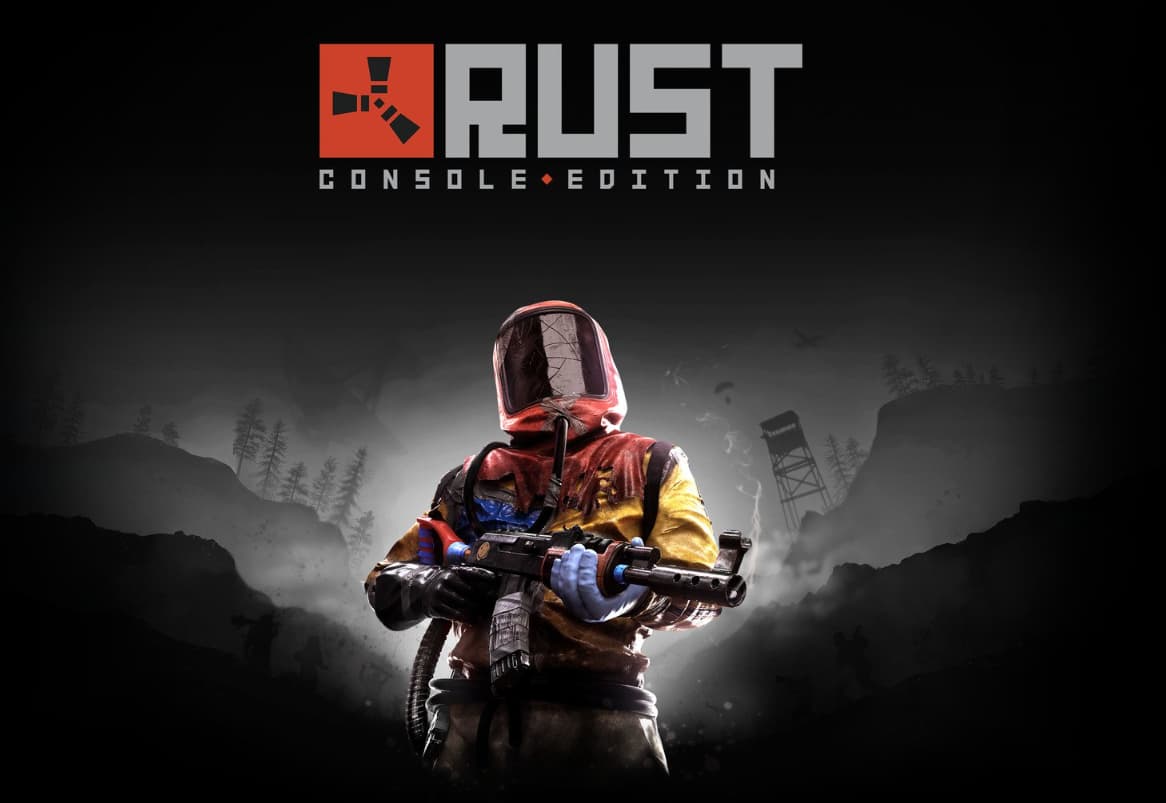
Release timing correlates with feature completeness, bug resolution, and long-term developer support.
Why Rust’s Release Timing Still Matters Today?
Release dates determine version maturity in multiplayer games.
Earlier launches mean more development time for optimization, bug fixes, and community-requested features.
Rust’s PC version benefited from years of additional refinement before console ports arrived.
This head start created meaningful differences in stability and feature depth that persist today.
Platform-based update gaps still exist despite simultaneous development.
PC versions receive experimental features and patches earlier due to simpler deployment processes compared to console certification requirements.
Buyers researching Rust’s release history seek practical information about version quality.
Understanding which platform launched when helps predict current-day performance and support levels.
Server populations and community resources also correlate with release timing.
Older releases typically have more established wikis, tutorial content, and active player communities.
When Did Rust Come Out on PC and Why It Matters?
PC represents Rust’s longest-running platform with the most cumulative development time.
This extended availability translates directly into version refinement and feature depth.
The early access period allowed continuous player feedback integration.
Years of community testing shaped mechanics and systems before console development even began.
| Version Phase | Availability Year | Feature Maturity | Player Impact |
|---|---|---|---|
| Early Access | 2013 | Experimental | Frequent wipes, unstable systems |
| Full Release | 2018 | Feature-complete | Stable core mechanics, regular content |
| Current State | 2024 | Mature | 11+ years of refinement and optimization |
This timeline shows over a decade of continuous improvement for PC Rust.
Current buyers access a version refined through years of player feedback and technical optimization.
The mod and server ecosystem developed exclusively around PC Rust.
Custom game modes, community servers, and third-party tools remain PC-exclusive due to platform flexibility.
Long-term stability improvements accumulated over multiple years.
Performance optimization, memory management, and networking code have received constant refinement since 2013.
When Did Rust Come Out for Console Players?
Console availability arrived significantly later than PC access.
This delay meant console versions launched with more polished core systems but without the extensive modding ecosystem.
Console development targeted last-generation hardware specifications.
Performance optimization focused on PlayStation 4 and Xbox One capabilities rather than current-generation native builds.
| Console | Entry Year | Playable Today | Version Limitations |
|---|---|---|---|
| PlayStation 4 | 2021 | Yes | No mods, limited server options |
| Xbox One | 2021 | Yes | No mods, limited server options |
| PlayStation 5 | 2021 | Yes | Backward compatible PS4 version only |
| Xbox Series X/S | 2021 | Yes | Backward compatible Xbox One version only |
Players searching “when did rust come out xbox” find information about the May 2021 launch. Xbox versions were released simultaneously with PlayStation, eliminating platform exclusivity concerns.
Similarly, “when did Rust Console come out PS4” queries reveal identical 2021 timing. Both major console families received Rust on the same date with feature parity between platforms.
Current-generation console owners play enhanced last-generation versions. No native PlayStation 5 or Xbox Series X/S builds exist, though performance improvements occur through backward compatibility.
Console versions receive regular updates but lag slightly behind PC. Certification processes and platform-specific testing create delays between PC and console patch deployment.
PC vs Console Rust — Release Timing Comparison
Understanding platform differences helps buyers choose appropriate versions. Release timing directly impacts current feature availability and community resources.
| Factor | PC | Console |
|---|---|---|
| Initial Launch | 2013 (Early Access) | 2021 (Full Release) |
| Development Time | 11+ years active | 3+ years active |
| Update Speed | Immediate deployment | Delayed by certification |
| Content Parity | All features available | Core features only |
| Modding Support | Extensive community mods | Not available |
| Server Options | Unlimited custom servers | Official servers primarily |
| Long-Term Support | Proven over a decade | Ongoing commitment |
This comparison shows how release timing created lasting version differences. PC’s eight-year head start established advantages that console versions cannot easily replicate.
Update frequency matters for competitive players. PC versions receive balance changes and exploit fixes faster due to simpler deployment processes.
Content parity remains close but not identical. Experimental features are tested on PC before console implementation, creating temporary feature gaps.
Which Rust Version Makes Sense for New Players?
Different player priorities align with different platform strengths. Release timing created version characteristics that serve distinct player types.
- Players focused on PvP depth: PC versions offer the most refined combat systems after years of balancing. Competitive communities, custom PvP servers, and detailed performance optimization favor serious players seeking skill-based gameplay.
- Casual console players: Console Rust provides an accessible entry without gaming PC requirements. Controller optimization, consistent performance across hardware, and straightforward server browsing suit players wanting simplified access.
- Mod-focused communities: Only PC versions support community modifications. Custom game modes, quality-of-life improvements, and experimental servers require PC platform flexibility unavailable on consoles.
- Long-term progression seekers: Both versions support persistent progression on modded servers. However, PC’s larger server variety and longer-established communities offer more progression-focused options for dedicated players.
Frequently Asked Questions
- When did Rust come out reddit?
Reddit discussions about Rust’s release date typically cite 2013 for PC early access and 2021 for console launch. Community consensus recognizes both dates as valid, depending on platform context.
- Is console Rust behind PC?
Console versions lag slightly in update deployment due to certification requirements. Core content remains consistent, but PC receives patches and experimental features earlier than console implementation.
- Can console players switch later?
Progress does not transfer between platforms. Console players switching to PC must restart completely, though game knowledge and skill translate across versions.
- Is Rust still worth buying now?
Rust maintains active development and healthy player populations on all platforms in 2024. New buyer experience benefits from years of refinement regardless of the chosen platform.
- Does release timing affect server population?
PC’s longer availability created larger overall player bases and more diverse server options. Console populations remain healthy but offer fewer specialized server types compared to PC ecosystems.
Conclusion:
Understanding when did rust come out on each platform helps buyers evaluate version maturity and feature availability. Release timing created meaningful differences that persist in current versions.
- PC Availability Window: Early access from 2013, full release 2018 – 11+ years of active development
- Console Entry Point: May 2021 for PlayStation 4 and Xbox One – 3+ years of optimization
- Current Playability: All versions are actively supported with regular updates and stable player bases
New players should prioritize the platform based on their specific needs rather than release dates alone.
PC offers maximum features and fastest updates, while console provides an accessible entry and consistent performance.
Both versions deliver complete Rust experiences despite launch timing differences.
The choice depends on hardware availability, desired feature set, and personal gameplay priorities.
Also Check: