 by
by The stadium falls silent. Fifty thousand people stop breathing at once.
A fast bowler stands at the top of his mark, staring down the pitch like a predator eyeing prey.
He begins his run-up—slow at first, then accelerating with each powerful stride. His arms pump rhythmically. His eyes never leave the batsman’s helmet.
Twenty meters from the crease, he explodes. His body becomes a coiled spring, releasing fifteen years of training, sacrifice, and pure athletic fury.
The ball leaves his hand at impossible speed, a red blur cutting through humid air.
The batsman has exactly 0.45 seconds to react. His brain processes the threat. His muscles receive emergency signals.
But physics doesn’t care about human reflexes. The ball arrives before the bat can move, crashing into the middle stump with a sound that echoes like thunder.
That’s the magic of express pace bowling. It’s cricket’s most primal weapon—raw speed against human reaction time.
No tricks, no deception, just pure velocity creating impossible challenges.
Cricket has celebrated speed since the 1970s when legendary fast bowlers first terrified the world’s best batsmen.
Today, modern technology measures every delivery, creating precise records of who bowled fastest.
Radar guns capture speeds that would’ve seemed impossible fifty years ago.
Fastest Bowlers in The World
This guide explores those who mastered cricket’s ultimate weapon.
We’ll examine the fastest bowlers in the world who proved that sometimes, pure speed beats everything else.
From historic legends to modern champions, these athletes redefined what humans can achieve with a cricket ball.
Let’s discover who truly deserves the title of cricket’s speed king.
Complete Speed Rankings: The Ultimate
Here’s the definitive list of the fastest deliveries ever recorded in international cricket:
| Bowler | Top Speed | Country | Against | Year |
|---|---|---|---|---|
| Shoaib Akhtar | 161.3 km/h | Pakistan | England | 2003 |
| Brett Lee | 161.1 km/h | Australia | New Zealand | 2005 |
| Shaun Tait | 161.1 km/h | Australia | England | 2010 |
| Jeff Thomson | 160.6 km/h | Australia | West Indies | 1975 |
| Mitchell Starc | 160.4 km/h | Australia | New Zealand | 2015 |
| Andy Roberts | 159.5 km/h | West Indies | Australia | 1975 |
| Fidel Edwards | 157.7 km/h | West Indies | South Africa | 2003 |
| Mitchell Johnson | 156.8 km/h | Australia | England | 2013 |
| Mohammad Sami | 156.4 km/h | Pakistan | Zimbabwe | 2003 |
| Shane Bond | 156.4 km/h | New Zealand | India | 2003 |
| Nantie Hayward | 154.4 km/h | South Africa | India | 2001 |
| Jason Gillespie | 153.9 km/h | Australia | South Africa | 2002 |
| Waqar Younis | 153.0 km/h | Pakistan | South Africa | 1993 |
| Jasprit Bumrah | 153.26 km/h | India | Australia | 2018 |
| Allan Donald | 152.9 km/h | South Africa | England | 1998 |
World Fastest Bowler Ranking: Who Holds The Record?
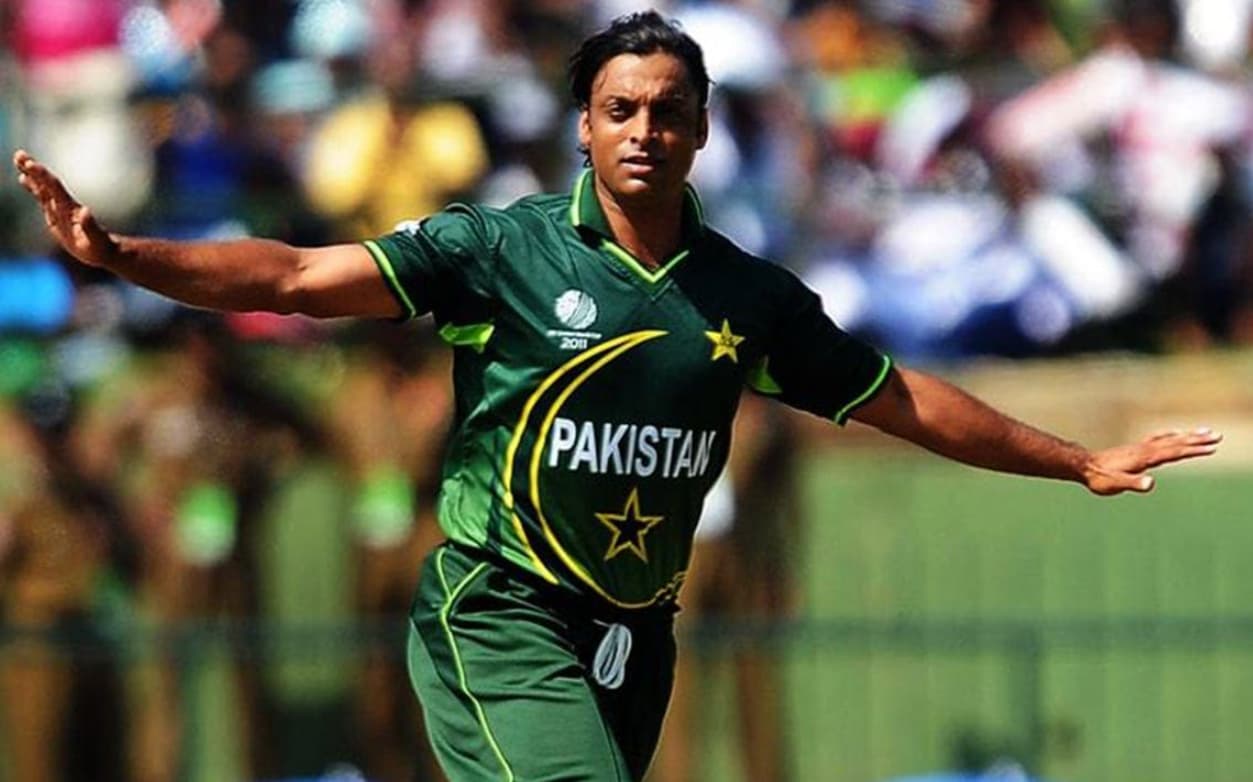
Shoaib Akhtar stands alone at the top.
The “Rawalpindi Express” delivered the fastest ball ever recorded in cricket—161.3 km/h during the 2003 World Cup against England.
This record has stood for over two decades, and no bowler has come close to breaking it.
The 175 km/h Myth Explained:
Many cricket fans ask about the fastest ball in cricket, 175 kph. This number doesn’t exist in official records.
Some believe Thomson or Lillee bowled faster in the 1970s before modern speed guns existed, but we can’t verify those claims.
The 175 km/h figure likely comes from exaggerated stories or measurement errors.
Modern radar technology standardized speed measurements from the late 1990s onward, making today’s records more reliable than historical estimates.
Individual Bowler Profiles: The Speed Kings
1. Shoaib Akhtar (Pakistan)
The Rawalpindi Express terrorized batsmen for 14 years.
Akhtar combined raw aggression with unmatched speed. His action generated controversy, but his pace was undeniable. He regularly touched 155+ km/h and saved his absolute best for big matches.
Key Stats:
- Top Speed: 161.3 km/h
- Year: 2003
- Opponent: England (World Cup)
- Fun Fact: First bowler to officially break 100 mph
- Why Top Tier: Holds the all-time speed record among the top 10 fastest bowlers of all time
2. Brett Lee (Australia)
Australia’s speed machine with a golden heart.
Lee wasn’t just fast—he was accurate, athletic, and incredibly fit. He maintained 150+ km/h throughout entire spells, making him one of the most feared bowlers of the 2000s. His sportsmanship matched his skill.
Key Stats:
- Top Speed: 161.1 km/h
- Year: 2005
- Opponent: New Zealand
- Fun Fact: Took 310 Test wickets while averaging 150+ km/h
- Why Top Tier: Most consistent express pacer in the fastest bowlers in the world 2025 discussions
3. Shaun Tait (Australia)
The “Wild Thing” bowled chaos and fire.
Tait’s slinging action generated unnatural speed. Injuries cut short his career, but when fit, he was genuinely frightening. His short bursts of extreme pace won matches and broke batting line-ups.
Key Stats:
- Top Speed: 161.1 km/h
- Year: 2010
- Opponent: England
- Fun Fact: Fastest ball in World Cup history
- Why Top Tier: Raw pace that few could replicate in the top 20 fastest bowlers in the world
4. Jeff Thomson (Australia)
The original speed demon.
Before modern technology, Thomson was cricket’s fastest. His slingy, catapult-style action generated terrifying pace. Batsmen from the 1970s still talk about facing “Thommo” with genuine fear in their voices.
Key Stats:
- Top Speed: 160.6 km/h (1975 study)
- Year: 1975
- Opponent: West Indies
- Fun Fact: Formed a legendary partnership with Dennis Lillee
- Why Top Tier: Pioneered modern fast bowling techniques
5. Mitchell Starc (Australia)
Today’s left-arm speed king.
Starc combines pace with deadly swing. His yorkers are cricket’s most lethal weapon, and he consistently bowls at 145+ km/h even in the death overs. He’s currently among the fastest bowlers in the world in 2025.
Key Stats:
- Top Speed: 160.4 km/h
- Year: 2015
- Opponent: New Zealand
- Fun Fact: Player of the Tournament in the 2015 World Cup
- Why Top Tier: Most successful fast bowler in World Cup history
6. Andy Roberts (West Indies)
The Caribbean’s first true speedster.
Roberts started the legendary West Indies pace tradition. His bouncer was famous, his slower ball was deadly, and his pace was genuine. He paved the way for generations of fast bowlers.
Key Stats:
- Top Speed: 159.5 km/h
- Year: 1975
- Opponent: Australia
- Fun Fact: First West Indian to consistently bowl 90+ mph
- Why Top Tier: Founding father of express pace bowling
7. Fidel Edwards (West Indies)
Small frame, massive pace.
Edwards proved you don’t need to be tall to bowl fast. His slingy action generated surprising speed from his 5’8″ frame. He was genuinely quick and always dangerous with the new ball.
Key Stats:
- Top Speed: 157.7 km/h
- Year: 2003
- Opponent: South Africa
- Fun Fact: Shortest bowler to break 155 km/h
- Why Top Tier: Unique action generated exceptional speed
8. Mitchell Johnson (Australia)
The 2013-14 Ashes nightmare.
Johnson’s bouncer campaign destroyed England’s batting. His pace, combined with awkward angles from around the wicket, made him unplayable. That summer defined his career as one of cricket’s fiercest competitors.
Key Stats:
- Top Speed: 156.8 km/h
- Year: 2013
- Opponent: England
- Fun Fact: Took 37 wickets in 2013-14 Ashes
- Why Top Tier: Most intimidating fast bowler of the 2010s
9. Mohammad Sami (Pakistan)
Pakistan’s forgotten speed merchant.
Sami had all the tools—pace, swing, aggression. Inconsistency haunted his career, but on his day, he was genuinely expressive. His fastest delivery showcased Pakistan’s fast bowling tradition.
Key Stats:
- Top Speed: 156.4 km/h
- Year: 2003
- Opponent: Zimbabwe
- Fun Fact: Joint-second fastest Pakistani bowler ever
- Why Top Tier: Peak speed rivaled the fastest bowl in the world records
10. Shane Bond (New Zealand)
Kiwi cricket’s greatest “what if.”
Injuries robbed cricket of a true great. Bond’s pace and accuracy were world-class, but his body couldn’t handle the workload. His brief career showcased exceptional talent and missed potential.
Key Stats:
- Top Speed: 156.4 km/h
- Year: 2003
- Opponent: India
- Fun Fact: Best strike rate among 150+ km/h bowlers
- Why Top Tier: Most accurate express pacer ever
11. Nantie Hayward (South Africa)
South Africa’s underrated speedster.
Competition kept Hayward out of more matches. When he played, his pace was undeniable. He regularly clocked 150+ km/h and troubled world-class batsmen with his raw speed.
Key Stats:
- Top Speed: 154.4 km/h
- Year: 2001
- Opponent: India
- Fun Fact: Overshadowed by Pollock and Ntini
- Why Top Tier: Genuine pace in competitive South African lineup
12. Jason Gillespie (Australia)
The thinking fast bowler.
Gillespie combined pace with brains. He wasn’t always expressive, but when needed, he could crank it up to 150+ km/h. His consistency made him invaluable to Australia’s dominant period.
Key Stats:
- Top Speed: 153.9 km/h
- Year: 2002
- Opponent: South Africa
- Fun Fact: Formed a deadly partnership with Glenn McGrath
- Why Top Tier: Accuracy plus occasional express pace
13. Waqar Younis (Pakistan)
The Burewala Express and yorker king.
Waqar revolutionized reverse swing and the yorker. His speed made those skills even deadlier. Alongside Wasim Akram, he formed cricket’s greatest pace partnership.
Key Stats:
- Top Speed: 153.0 km/h
- Year: 1993
- Opponent: South Africa
- Fun Fact: 400+ Test wickets with reverse swing
- Why Top Tier: Skills combined with pace made him unstoppable
14. Jasprit Bumrah (India)
India’s modern pace sensation.
Bumrah changed perceptions about Indian fast bowling. His unique action generates deceptive pace, and his yorker is the world’s best. He’s the fastest bowlers in India’s greatest success story.
Key Stats:
- Top Speed: 153.26 km/h
- Year: 2018
- Opponent: Australia
- Fun Fact: Fastest Indian bowler ever recorded
- Why Top Tier: Most successful Indian pacer across formats
15. Allan Donald (South Africa)
“White Lightning” lit up cricket.
Donald’s aggression matched his pace. He spearheaded South Africa’s return to international cricket and became their greatest fast bowler. His duels with batsmen were legendary.
Key Stats:
- Top Speed: 152.9 km/h
- Year: 1998
- Opponent: England
- Fun Fact: 330 Test wickets for South Africa
- Why Top Tier: Speed combined with sustained excellence
The Historic 1976 Speed Study
Before modern speed guns, scientists studied fast bowlers using high-speed cameras. This groundbreaking research measured the fastest bowlers in cricket history at their peak:
| Bowler | Speed | Country | Context |
|---|---|---|---|
| Jeff Thomson | 160.45 km/h | Australia | 1976 vs West Indies |
| Andy Roberts | 159.49 km/h | West Indies | 1976 vs Australia |
| Dennis Lillee | 154.8 km/h | Australia | 1976 study |
| Michael Holding | 153.2 km/h | West Indies | 1976 study |
| Wayne Daniel | 150.8 km/h | West Indies | 1976 study |
These figures aren’t official match records, but they prove the 1970s legends were genuinely fast. Modern technology simply confirmed what batsmen already knew—facing Thomson or Roberts was terrifying.
Fastest Bowlers in India: The Pace Revolution
Indian cricket traditionally focused on spin, but that’s changed dramatically.
Jasprit Bumrah leads India’s pace revolution. His 153.26 km/h delivery against Australia in 2018 made him the fastest Indian bowler ever recorded. He consistently bowls at 145+ km/h with pinpoint accuracy.
Other Notable Indian Pacers:
- Umran Malik: Regularly touches 150+ km/h
- Mohammed Shami: Consistently bowls 140-145 km/h
- Javagal Srinath: India’s first genuine fast bowler (reached 150 km/h)
- Zaheer Khan: Mastered swing at 135-145 km/h
India’s fast bowling depth today matches any country. The IPL and improved fitness culture created this transformation.
Era and Style Comparison
Different eras produced different bowling styles:
| Bowler | Era | Style | Best Weapon |
|---|---|---|---|
| Shoaib Akhtar | 1990s-2000s | Raw pace | Pure speed |
| Brett Lee | 2000s | Pace + fitness | Consistent express |
| Jeff Thomson | 1970s | Catapult action | Unpredictable bounce |
| Mitchell Starc | 2010s-2020s | Left-arm pace | Yorker |
| Waqar Younis | 1990s | Reverse swing | Toe-crushing yorker |
| Jasprit Bumrah | 2010s-2020s | Unique action | Death bowling |
Each generation added something new to fast bowling. Today’s bowlers combine traditional pace with modern fitness and tactical awareness.
Frequently Asked Questions
- Q: Who is the fastest bowler in the world?
Shoaib Akhtar holds the official record with 161.3 km/h bowled in 2003 against England.
- Q: Has anyone bowled 175 km/h in cricket?
No. The fastest ball in cricket 175 kph is a myth. No official measurement has ever recorded that speed.
- Q: Who is the fastest Indian bowler?
Jasprit Bumrah, who bowled 153.26 km/h against Australia in 2018, making him the fastest among the fastest bowlers in India.
- Q: Can modern bowlers break Akhtar’s record?
Possibly, but it’s been 22 years since anyone reached 161+ km/h. It requires perfect technique, exceptional fitness, and ideal conditions.
- Q: Why did fast bowling speeds decrease after 2010?
Cricket’s workload increased dramatically. Bowlers now play year-round across formats, making sustained 150+ km/h bowling physically unsustainable for most.
Conclusion: Speed Still Wins
The Fastest Bowlers in the World represent cricket’s most exciting element.
From Shoaib Akhtar’s record-breaking 161.3 km/h to modern stars like Mitchell Starc and Jasprit Bumrah, fast bowlers continue thrilling fans worldwide.
They prove that raw pace, combined with skill and heart, wins matches.
Akhtar’s record has stood since 2003. Whether anyone will break it remains cricket’s most intriguing question.
But one thing’s certain – fans will always love watching a fast bowler charging in, about to unleash a thunderbolt that could change the game in a single delivery.
That’s the magic of express pace bowling.