 by
by The Negro Leagues weren’t a consolation prize. They were home to some of the most talented baseball players who ever lived.
While segregation kept these athletes out of the major leagues until 1947, it couldn’t diminish their skill.
The greatest Negro League players routinely beat major league teams in exhibition games, drew massive crowds, and created a style of play that influenced generations.
Their statistics are incomplete. Their recognition came late. But their greatness was never in question by those who saw them play.
Greatest Negro League Players
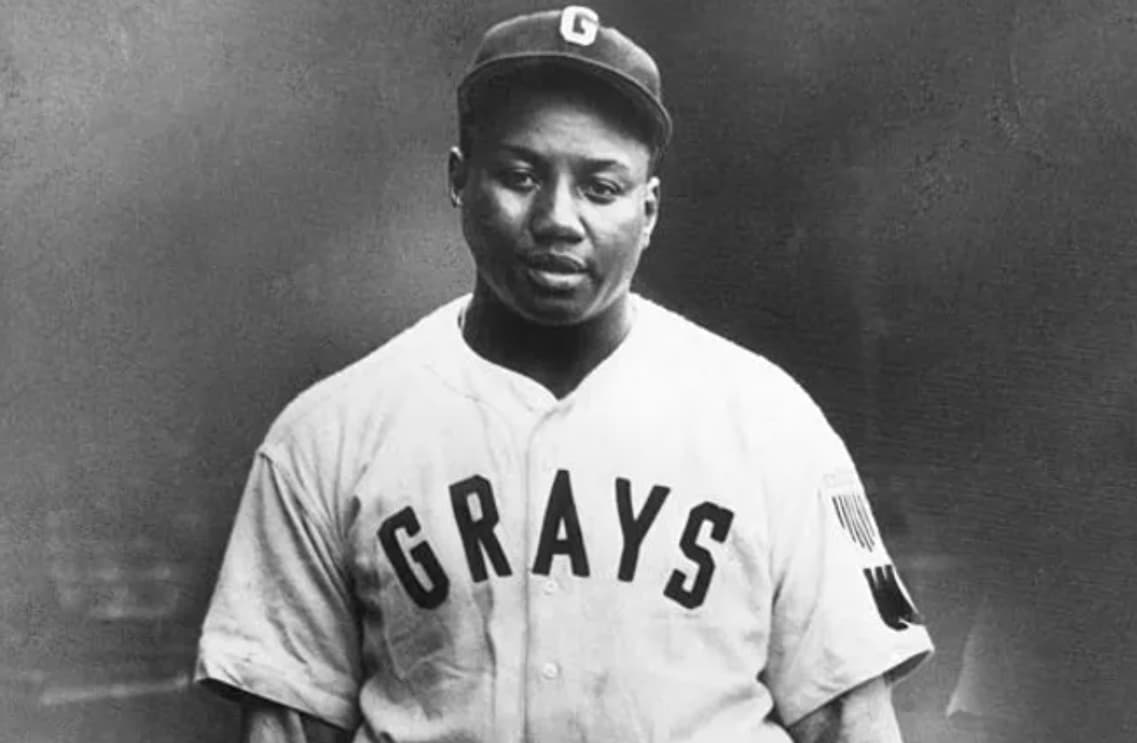
Here are ten Negro League legends whose talent transcended the barriers placed in front of them.
1. Satchel Paige – The Ageless Wonder
Leroy “Satchel” Paige didn’t just pitch—he performed. With a blazing fastball, devastating curve, and theatrical flair, Paige became the most famous Negro League player of his generation.
His durability was legendary. Paige pitched year-round, from the Negro Leagues to the Caribbean to barnstorming tours, often throwing hundreds of innings annually.
When he finally reached the majors with Cleveland in 1948 at age 42, he helped win a World Series.
What made Paige special wasn’t just his arm. He understood hitters, changed speeds masterfully, and had pinpoint control even into his 40s. Joe DiMaggio called him “the best pitcher I’ve ever faced.”
Paige was the first Negro League player inducted into the Hall of Fame in 1971.
2. Josh Gibson – Baseball’s Most Feared Slugger
If you wanted to understand raw power, you watched Josh Gibson hit.
Gibson’s home runs became the stuff of legend—balls that traveled distances others couldn’t imagine.
Playing catcher for the Homestead Grays and Pittsburgh Crawfords, he combined strength with exceptional bat-to-ball skills, rarely striking out despite his aggressive approach.
His peers didn’t compare him to Babe Ruth. They said Ruth should be compared to him.
Walter Johnson claimed Gibson was ready for the majors at 18.
Roy Campanella, himself a Hall of Fame catcher, said Gibson was the greatest hitter he ever saw.
Gibson died in January 1947, three months before Robinson broke the color line. He was 35.
3. Oscar Charleston – Power, Speed, and Everything Between
Oscar Charleston could do it all, and he did it better than almost anyone.
A center fielder with the range of Tris Speaker and the power of a cleanup hitter, Charleston dominated the Negro Leagues from the 1910s through the 1930s.
He hit for average, crushed home runs, stole bases, and played fearless defense.
John McGraw, the legendary Giants manager, called Charleston the greatest player he’d ever seen, regardless of race.
Charleston’s estimated .350 career batting average came with legitimate 40-40 potential in modern terms.
His fiery personality matched his playing style—he was competitive to a fault and backed down from nobody.
4. Buck Leonard – Steady Excellence at First Base
Buck Leonard didn’t need flash. His consistency spoke louder.
For 17 seasons with the Homestead Grays, Leonard anchored first base with smooth fielding and a sweet left-handed swing.
He formed one of baseball’s great power duos with Josh Gibson, and after Gibson’s death, Leonard kept the Grays competitive through sheer professionalism.
Leonard hit over .300 annually, drove in runs in crucial moments, and played exceptional defense.
His calm demeanor made him a natural leader, and he was offered major league contracts in his 40s—too late to showcase his prime years.
He entered the Hall of Fame in 1972, and his number 36 was retired by the Grays’ successor organization.
5. Cool Papa Bell – Speed That Changed Games
Nobody ran like Cool Papa Bell.
Bell’s speed wasn’t just impressive—it was game-altering. He could score from first on a single, stretch doubles into triples, and steal bases whenever he chose.
Satchel Paige joked that Bell could flip a light switch and be in bed before the room went dark.
Beyond speed, Bell hit .337 over his career and understood baseball’s nuances.
He played smart, took extra bases others wouldn’t attempt, and covered center field like few before or since.
Bell spent two decades starring for teams like the St. Louis Stars and Pittsburgh Crawfords, earning eight All-Star selections before his 1974 Hall of Fame induction.
6. Martin Dihigo – The Ultimate Versatile Star
Martin Dihigo played nine positions at an elite level and excelled at all of them.
The Cuban legend could pitch a shutout one day and lead the league in home runs the next.
He twice topped the Negro Leagues in homers while also posting dominant pitching performances against top competition.
In 1938, playing in Mexico, he went 18-2 with a 0.90 ERA while batting .387 to lead the league.
Dihigo is enshrined in four different countries’ baseball halls of fame—the only player with that distinction.
His two-way brilliance predated the modern era by decades.
7. Smokey Joe Williams – The Strikeout Artist
Joe Williams stood 6-foot-4 and threw absolute fire.
His fastball rivaled anyone’s, and he paired it with a sharp-breaking curve that kept hitters off balance.
Williams routinely struck out 20-plus batters in games and dominated in exhibitions against major league teams.
Ty Cobb faced him and called Williams “a sure 30-game winner” if given the chance in the majors.
Williams pitched from 1905 into the 1930s, remaining effective into his 40s.
His longevity and consistency made him one of the most respected pitchers in black baseball history.
8. Willie Wells – Baseball’s Smartest Shortstop
Willie Wells revolutionized shortstop play through intelligence and innovation.
He had exceptional range, sure hands, and a strong arm, but Wells stood out for his baseball IQ.
He pioneered wearing a batting helmet after taking a pitch to the head in 1942, years before helmets became standard.
Wells hit over .300 throughout his career while providing Gold Glove-level defense at baseball’s most demanding position.
His contemporaries considered him the best shortstop in the game, black or white.
His 1997 Hall of Fame induction recognized contributions that changed how shortstops approached the game.
9. Turkey Stearnes – The Forgotten Superstar
Norman “Turkey” Stearnes might be the best player most fans have never heard of.
A center fielder with legitimate home run power and blazing speed, Stearnes could beat you in multiple ways.
He led the Negro National League in home runs seven times and stole bases at will.
His powerful left-handed swing and unusual batting stance made him instantly recognizable.
Stearnes played 18 Negro League seasons, primarily with the Detroit Stars, and posted a career average of around .350.
His quiet personality kept him from the spotlight, but his performance earned respect across baseball.
He was inducted into the Hall of Fame in 2000.
10. Judy Johnson – The Defensive Genius at Third
William “Judy” Johnson made third base look easy.
With soft hands, quick reflexes, and an accurate arm, Johnson played defense at a level few have matched.
He made routine plays look effortless and impossible plays look routine. Connie Mack called him the best third baseman he’d ever seen.
Johnson also hit over .300 consistently and excelled in clutch situations.
After his playing career, he became a respected scout who helped sign talented black players for major league teams.
His 1975 Hall of Fame induction recognized both his playing excellence and his contributions to integrating baseball.
FAQs
- Who was the most dominant Negro League pitcher?
Satchel Paige is widely considered the greatest, though Smokey Joe Williams and Leon Day also have strong cases. Paige’s longevity and success at the major league level gave him the edge.
- How accurate are Negro League statistics?
Records are incomplete due to inconsistent record-keeping, barnstorming games, and winter league play. Researchers continue working to verify and document these statistics properly.
- Did any Negro League teams beat major league teams?
Yes, regularly. During barnstorming exhibitions, Negro League teams often defeated major league all-star squads, proving the talent level was equal or superior.
- Why didn’t more Negro League players join MLB after integration?
Many were too old by 1947. Players like Buck Leonard and Cool Papa Bell received offers in their 40s, past their prime years.
- Which Negro League player had the most MLB success?
Willie Mays, Hank Aaron, and Jackie Robinson all came through the Negro Leagues, but they were younger players. Of players in their prime during segregation, Larry Doby and Roy Campanella had the most MLB success.
- Are Negro League statistics now considered official MLB stats?
As of 2020, MLB elevated the Negro Leagues to “major league” status, though statistics aren’t yet fully integrated into official records due to ongoing research.
Conclusion:
These ten players represent the cream of Negro League talent, but they’re just the beginning.
Dozens more deserved major league opportunities that never came.
What they accomplished despite the obstacles remains remarkable.
They built their own legacy, created their own legends, and proved that excellence doesn’t require permission.
Baseball is finally recognizing what these players’ contemporaries always knew: they belonged with the best to ever play the game.
Also Check: